
Where to Place Artwork Prints for Maximum Visual Impact – The right print can change a room. Not just decorate it, actually change how it feels to be in it. But even the most beautiful piece of art will underwhelm if it’s hung in the wrong spot. Most of us spend a long time choosing the right print and far less time thinking about where to put it, and that’s usually where things go wrong. The good news? Placement is a learnable skill that doesn’t require a designer’s eye. Here’s how to approach it, room by room.
The Living Room: Where People Come Together
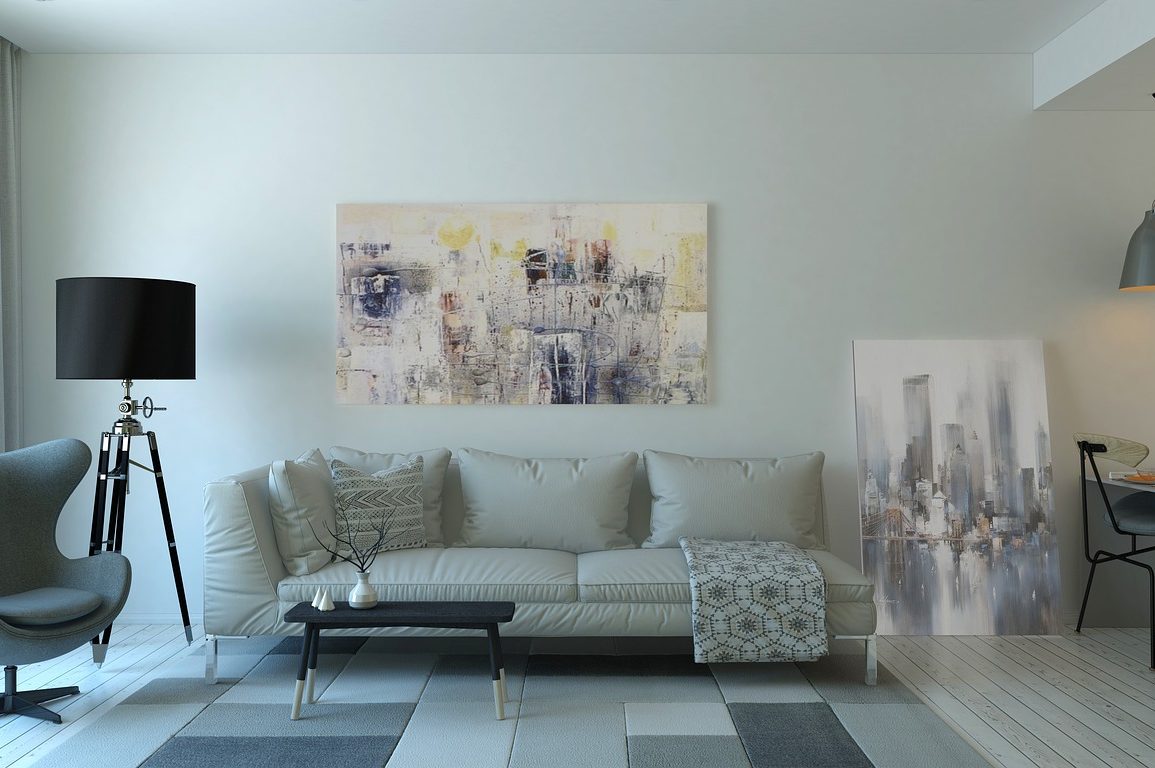
The wall above the sofa is the most forgiving place to start. A print spanning roughly two-thirds of the sofa’s width looks intentional without overwhelming the space. Hang it so the centre sits 20 to 30cm above the back of the sofa, close enough to build a connection between the two. Too high, and the elements lose their relationship entirely.
Abstract wall prints are a great choice here. Their open composition adds depth without competing with the furniture, textiles, and colour already doing work in the room. If you’re drawn to warm, earthy tones, the living room is the place to let them land.
If a single statement piece feels too sparse for a larger wall, a grouped arrangement can work well. Keep frame styles consistent, spacing even, and anchor the arrangement with one larger piece. You can create a composition you love by placing each element on the floor in your chosen layout to get a feel for it before it becomes permanent.
The Bedroom: Calm and Balance
The bedroom calls for a different mindset. This room should be built around relaxation, and it’s where you start and end each day, so the art you choose and where you place it should reflect that.
The wall above the bed is a great location. A print that spans roughly two-thirds of the headboard width, sits in proportion and makes a statement without feeling out of place. Position it 20 to 25cm above the headboard, and make sure it’s centred with the bed rather than the wall to create balance.
Softer abstract compositions work beautifully in bedrooms — go for muted palettes, prints with generous open space, or pieces that lean into texture rather than contrast. The key here is calm. That said, if your bedroom is a space you’ve deliberately made bold, a stronger print above the bed could be the finishing touch that brings it all together.
Bedside walls are worth considering, too. A smaller print or a pair of prints flanking the bed adds symmetry without the weight of a large centrepiece.
The Hallway: Your First Impression
A well-placed print in an entrance sets the tone for everything beyond it. Because hallways are transitional spaces, bold choices work well here. Hang art slightly higher than you would elsewhere. In a narrow hallway, this draws the eye up, making the space feel taller. If you’re working with a longer hallway, a series of prints at consistent heights and spacing creates a gallery feel that takes the observer on a journey through your home.
Keep frames slim where possible. In a tight space, a heavy frame can make the walls feel like they’re closing in. Let the print do the work.
The Kitchen: The Heart of Your Home
The kitchen is often the last room people think to hang art, but a well-placed print can make a real difference here. Not only is it a conversation starter, but placing artwork in the kitchen makes the space feel more inviting and adds flair to a room often seen as purely functional.
The key is knowing where to hang and where to avoid. Steam, heat, and grease are all print enemies, so steer clear of the area directly above the hob. Opt for the wall opposite a window, the space above a dining table if it sits within the kitchen, or a run of open shelving.
Go for botanical art, vintage culinary posters, and energetic still-life prints to keep things calm and engaging while echoing the kitchen’s purpose.
Placement Is Everything
Placement is a powerful tool for wall art, and when it’s just right, a single print can set the tone for an entire room, informing the colour palette, the mood, and how the space feels to live in. Get it wrong, and even a piece you once loved can start to feel flat or out of place.
Before you write off a print that no longer excites you, consider moving it first. A change of wall, a different room, a little more space around it, and you might find the piece you fell for is still there, it just needed a better home.
Poppy Watt