
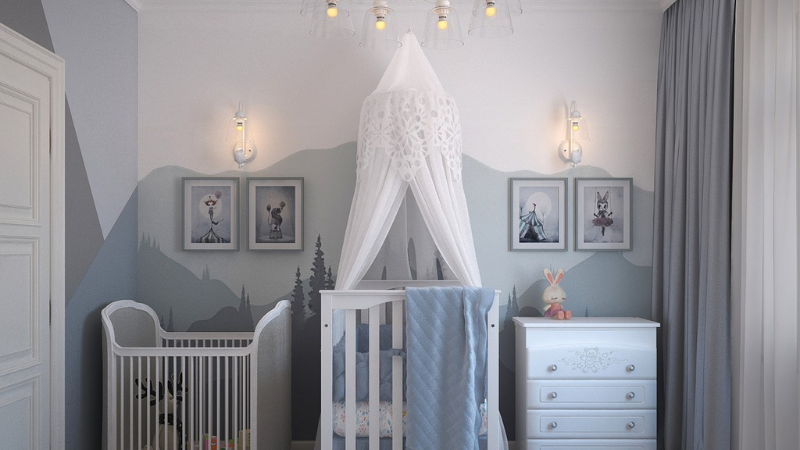
Creative Ways to Refresh Small Spaces on a Budget – Many UK homes include small rooms or awkward corners that feel hard to update without major spending. Narrow hallways, box rooms, or compact landings often get overlooked because people assume meaningful change costs too much.
Flooring plays a central role in how a small room feels. Cold or worn floors make spaces seem cramped, while well-chosen materials add comfort and visual balance. Updating flooring does not require replacing an entire room finish. Targeted changes in key areas often deliver the biggest impact for the lowest cost.
Leftover pieces from larger carpet rolls offer a practical option for homeowners working with limited budgets. These smaller sections suit stairs, small bedrooms, or defined zones where full rolls would be unnecessary. Using surplus materials also reduces waste and shortens waiting times compared to made-to-order options.
Smart Flooring Solutions for Tight Spaces and Tighter Budgets
Choosing flooring for small or irregular areas does not need to be complicated. Accurate measuring is the first step. Measuring both width and length and adding around 10cm to each side allows flexibility during fitting, especially in older homes where walls may not be perfectly straight.
For spaces with corners or unusual layouts, a simple sketch helps clarify dimensions. This makes it easier to match available stock to the area and reduces the risk of buying pieces that do not fit properly.
Quality remains important even when budgets are tight. Remnant stock changes regularly and often includes the same finishes found in full-price ranges. Using carpet remnants from roll-end surplus allows homeowners to fit professionally finished flooring in smaller areas without paying for unused material, making this option particularly suitable for stairs, spare rooms, or under-stair cupboards.
Many households now look for practical refurbishment choices that improve comfort without long-term financial strain. Flooring surplus provides flexibility to try new colours or textures while keeping costs under control.
Checking durability remains essential. Carpet backing, pile density, and fibre type all affect performance. Thicker or denser carpets tend to cope better with foot traffic, making them suitable for hallways or stairs where wear is higher.
Five Budget-Friendly Ways to Transform Walls Without Paint
Walls dominate visual space in smaller rooms, so simple changes can alter how the room feels. Removable wallpaper has become a popular choice in the UK because it offers pattern and colour without permanent commitment. Many homeowners choose peel and stick wallpaper for small rooms where flexibility and easy removal matter more than long-term finishes.
Fabric wall hangings add warmth and help soften sound, especially in bedrooms or reading corners. Charity shops often stock affordable textiles that work well for this purpose. Stretching fabric over a basic wooden frame creates an effective wall feature with minimal tools.
Gallery walls offer another low-cost option. Using second-hand frames and printed artwork keeps spending low while allowing personal expression. Keeping colours within a limited palette prevents small rooms from feeling cluttered.
Washi tape provides a temporary way to add patterns or borders. These tapes are widely available and easy to remove, making them suitable for rented homes. Wall stickers also offer flexibility, especially in children’s rooms where tastes change quickly.
Testing materials on a small area first helps avoid issues with peeling or poor adhesion, particularly on older paintwork or textured surfaces.
Maximising Light and Space with Strategic Mirror Placement
Mirrors remain one of the most effective tools for improving small spaces. Second-hand mirrors are easy to find at charity shops or car boot sales and often cost far less than new ones.
Placement matters more than size. Positioning mirrors opposite windows reflects daylight deeper into the room. In narrow hallways, hanging a long mirror horizontally widens the visual space, while vertical placement in corners draws attention upward and makes ceilings appear taller, a principle often seen across mirror design ideas used in compact interiors.
Refreshing older mirrors with spray paint allows them to match existing décor. Placing mirrors behind lamps or near light sources increases brightness without additional fittings. Keeping mirrors clean ensures they continue to reflect light effectively.
Upcycling and Repurposing Furniture for Multi-Functional Spaces

In smaller rooms, furniture that serves more than one purpose helps maintain order and comfort. An old dresser can become a bench with storage underneath using basic tools. Adding a simple cushion creates seating while keeping items hidden.
Wall-mounted shelves with folding brackets offer a way to create temporary desks that fold away when not in use. This works well in spare rooms or shared living areas where space needs to adapt.
Wooden crates sourced from markets or online platforms can be turned into shelves or mobile storage. Painting them and adding wheels allows them to move between rooms as needed, reflecting wider upcycled furniture trends that prioritise reuse, flexibility, and long-term value.
Leftover carpet pieces also work well for furniture refreshes. Covering stools or worn seating with surplus flooring improves comfort and extends furniture life without full replacement. These updates help tie a room together visually while keeping costs low.
Using furniture with visible legs rather than solid bases helps rooms feel lighter. Leaving space beneath sofas or chairs reduces visual weight and improves the sense of openness.
Small spaces benefit most from practical decisions that balance cost, comfort, and flexibility. Thoughtful flooring choices, adaptable wall treatments, and multi-functional furniture can change how compact rooms feel without requiring major investment or disruption.
Reusing materials, choosing surplus options, and repurposing existing furniture all help stretch budgets while delivering visible results.
With careful planning and simple design choices, even the smallest rooms can feel considered and comfortable. Budget-conscious updates allow homes to evolve gradually, creating spaces that work better day to day without unnecessary expense.
Poppy Watt