
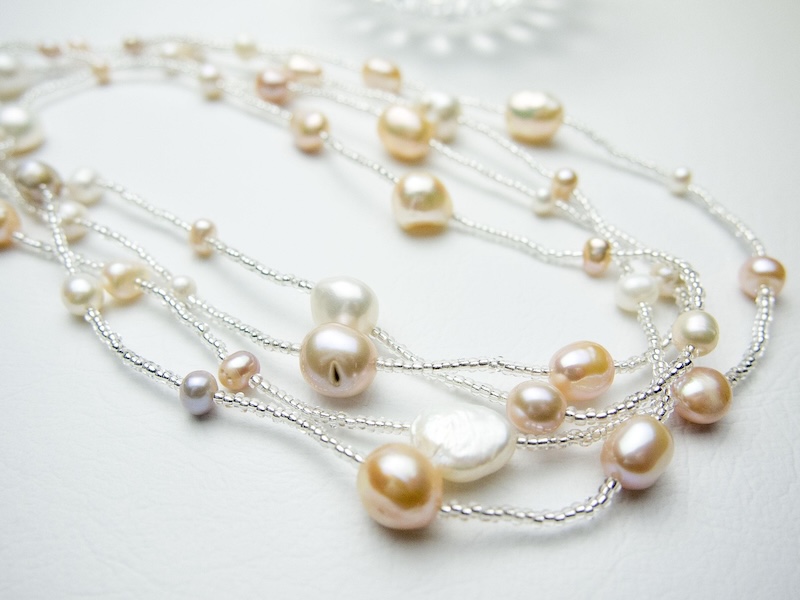
Freshwater Pearl Jewellery: Everything You Need to Know Before Buying – Pearls have been worn for centuries, yet they feel as relevant today as ever. There is something about their quiet elegance that sits comfortably alongside both a simple linen dress and a formal evening outfit. It is no surprise that pearl jewellery continues to attract new admirers, particularly among those who want something that feels considered rather than throwaway.
Freshwater cultured jewellery has grown steadily in popularity across the UK, partly because it offers genuine quality at a more accessible price point than rarer pearl varieties. Freshwater pearls are grown in lakes and rivers, typically in China, and their production has improved considerably over recent decades. The result is a pearl that carries real lustre and character, without the premium attached to Akoya or South Sea varieties.
What draws many people to handmade pearl jewellery designs, though, goes beyond the material itself. There is a growing interest in pieces that have been made with care and intention, where the maker has thought about how each element sits together. That shift in how people shop for jewellery reflects a broader change in values, one that places meaning and longevity above novelty. This article examines what makes freshwater pearl jewellery worth choosing, from the qualities that define a well-made piece to the practical reasons it tends to outlast trends.
What Sets Freshwater Cultured Pearls Apart
Freshwater cultured jewellery starts with a pearl grown inside a freshwater mussel, most often in a lake or river. These pearls stand out for their variety. Unlike Akoya pearls, which develop in saltwater oysters and are generally uniform, freshwater pearls offer a much wider range in shape, size, and natural colour.
Nacre Thickness and Lustre
Nacre thickness is one factor that indicates both quality and durability. This is the substance built up inside the mussel, laid down in microscopically thin layers around the core. Pearls with thicker nacre display a richer, deeper lustre and typically withstand wear much better.
Freshwater pearls are often said to have thicker nacre than many saltwater varieties, which can help the shine last and the surface stay smooth even with regular use. Over time, this may support longevity and help preserve beauty, especially in pieces you intend to wear frequently.
Design Flexibility
The variety of freshwater pearls also gives jewellery makers greater design flexibility. Brands like Watermeadow Lane Jewellery use the natural range of tones, shapes, and sizes to create elegant pearl jewellery that complements both classic and modern outfits. This versatility allows for designs that suit a wide range of personal styles while preserving the pearls’ natural character.
The Craft Behind Handmade Pearl Jewellery Designs
There is a marked difference between a piece made by hand and one produced in large quantities. Handmade pearl jewellery designs involve thoughtful choices at every stage. The maker selects each pearl individually, decides how it will be set, and chooses the metal that best suits the overall look.
Sterling silver and 14k gold fill are both popular options, each bringing a different warmth and finish to the piece. This hands-on process is apparent when you commission special pieces for milestones such as weddings, graduations, or anniversaries.
Mass-produced items tend to follow seasonal styles, turning over quickly and often prioritising cost over quality. Handmade work progresses at a different pace. A maker building pieces by hand considers how each element sits together, not just how many units can be produced in a week.
Longevity, Care, and the Case for Restringing
Taking care of your pearl jewellery helps preserve its beauty and longevity. Pearls are organic gems, which means they respond to their environment more than a diamond or sapphire would. Keeping them away from perfume, hairspray, and cleaning products helps preserve their surface. Using a soft cloth for cleaning and always removing pearls before applying lotions or sprays is generally recommended. Storing them separately from harder items prevents scratching.
Silk thread is traditionally used to string necklaces and bracelets. Over time, that thread can stretch or weaken, particularly if you wear the piece often. Restringing is a straightforward way to give an older piece a new lease of life. A well-maintained piece may last for many years, passed down through your family and refreshed as needed rather than replaced.
Choosing Pearl Jewellery That Suits You

Thinking about when and how you will wear a piece is a sensible place to start. Pearl jewellery works across a wide range of occasions. A simple pair of studs can go from a work meeting to an evening out without looking out of place.
Pearls are a popular choice for both self-purchase and gifts, especially for weddings and anniversaries. Metal choice is important as well. Sterling silver tends to suit cooler skin tones and gives a clean, contemporary feel. Gold fill brings warmth and works well with ivory or cream-toned pearls.
There is also the choice between a ready-made piece and an option created as a special commission. Ready-made designs are suited to scenarios where you have already identified the desired style and need the item promptly.
Ready to Buy?
The lasting appeal of freshwater pearl jewellery rests in practical qualities recognised by both makers and wearers. Thicker nacre is believed to support a rich lustre and strengthen each pearl against daily wear, making well-cared-for pieces dependable for many years.
Adopting habits like careful storage and prompt professional restringing allows your cherished items to build their own story over time. This approach supports collecting fewer, longer-lasting pieces with character, an idea reflected in many customers in the UK choosing pearls that adapt over time alongside them.
Poppy Watt