
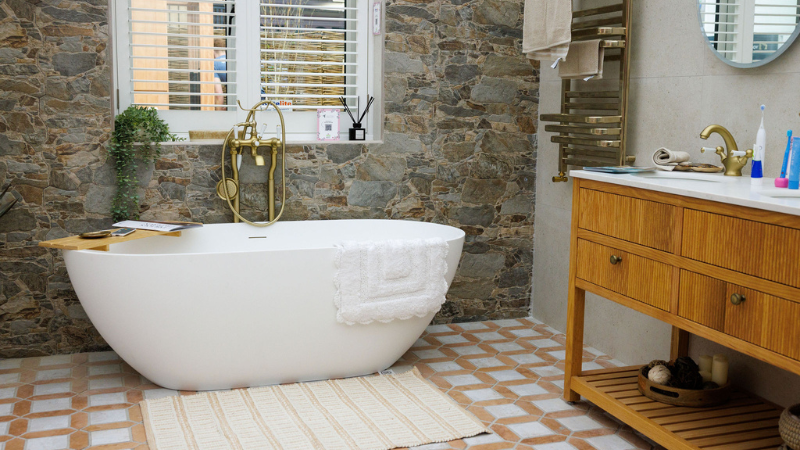
Selling Your Home? These Staging Tips from the Ideal Home Show Could Help You Attract Buyers Faster.
Selling your home can feel like a mix of excitement and pressure. You want the best price, the quickest sale, and ideally, buyers who walk through the door and instantly fall in love. But in today’s competitive property market, it’s not always about having the biggest home or the fanciest postcode, it’s about creating a feeling.
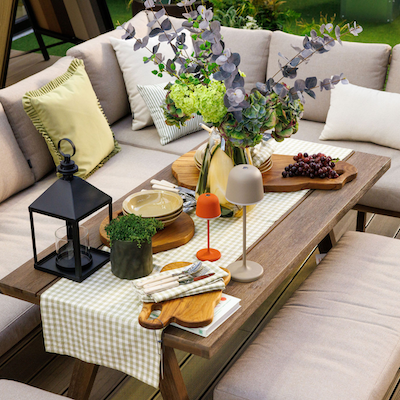
At the Ideal Home Show, a panel of interiors and property experts shared practical advice on how simple home staging techniques can dramatically improve a property’s appeal. Their message was clear: you don’t need a full renovation to make your home stand out, you need to help buyers emotionally connect.
The panel was led by Georgina Burnett, alongside interiors expert Sophie Claret, property expert Samuel Lesser, and Deirdre Mc Gettrick, Founder of ufurnish.com.
And if you’re planning to put your home on the market soon, their tips could make all the difference.
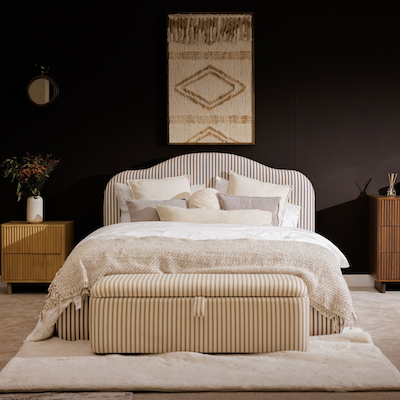
Why Staging Works: It’s About Emotion, Not Logic
We like to think buying a home is a rational decision — price, location, square footage. But the truth is, buyers often decide within moments whether a property feels right.
As Sophie Claret explained during the session:
“It’s all about an emotional connection. If you see everything that belongs to someone else everywhere, it just doesn’t work.”
She added that buyers need to walk into a home and instantly feel something positive, that wow moment that makes them imagine a future there.
This is why staging works so well: it helps your home feel aspirational, calm and inviting, rather than cluttered, personal, or unfinished.
Aim for a “Show Home” Finish (Even If It’s Not Perfect)
Sophie Claret shared that she approaches every property like it’s a show home, saying:
“I treat every home almost like a show home. I make it look as much like a showroom as possible with whatever I’m working with.”
Now, that doesn’t mean you need to replace your entire furniture set or paint every room in a trendy colour. It means creating a clean, balanced space that looks cared for and ready to move into.
The key is making your home look like it belongs in a lifestyle magazine, neutral, tidy, bright, and spacious.
Declutter and Depersonalise: The Non-Negotiables
This is the advice most sellers hear… but it’s also the advice most people underestimate.
Decluttering doesn’t just make your home look tidier, it makes rooms appear bigger, brighter and more valuable. Too many items on shelves, kitchen counters, and floors can make even a good-sized home feel cramped.
Depersonalising is equally important. Family photos, children’s artwork, bold ornaments and very personal décor can unintentionally remind buyers that this is someone else’s home, rather than a blank canvas for their own life.
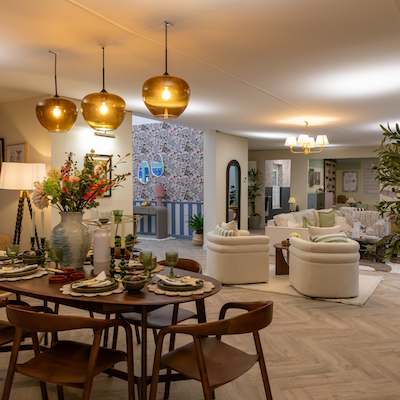
A good rule of thumb: buyers should feel welcome, not like they’re intruding.
Quick decluttering wins:
- Clear kitchen worktops as much as possible
- Remove excess furniture (especially in smaller rooms)
- Tidy bathroom shelves and hide toiletries
- Reduce wardrobe clutter — buyers will look inside
- Keep hallways and staircases open and clear
The “Last 20%” Makes 80% of the Impact
One of the standout comments came from Deirdre Mc Gettrick, who said:
“I always say the last 20% of products that you add to any room will actually give 80% of the impact.”
This is where the magic happens. You don’t need a new kitchen, you need the finishing touches that make the room feel complete.
Think cushions, throws, rugs, lamps, artwork and plants. These details add warmth and style, helping buyers imagine the lifestyle they want.
Easy styling upgrades that photograph well:
- A large mirror to bounce light
- Fresh bedding in neutral tones
- A statement vase or bowl on the dining table
- Coordinated cushions on the sofa
- A cosy rug to define a space
- Simple artwork instead of bare walls
Small touches can make a home feel expensive, without actually being expensive.
Lighting: The Simplest Fix That’s Often Forgotten
Property expert Samuel Lesser shared one of the most practical tips of the day:
“Make sure all of your light bulbs work. I promise you, lighting is so important.”
It sounds obvious, but it’s astonishing how many homes lose appeal because of poor lighting. A dim hallway or a room with a single dull bulb can feel gloomy and smaller than it really is.
Before any viewings, do a lighting check in every room. Replace bulbs, clean lampshades, and consider warmer-toned bulbs for a softer, more welcoming glow.
Extra lighting tips worth doing:
- Open curtains and blinds fully for viewings
- Clean windows (inside and out if possible)
- Add lamps in darker corners
- Use mirrors to reflect natural light
- Replace harsh fluorescent bulbs with warm white lighting
Lighting can genuinely change the mood of a home within minutes.
Small Fixes Matter More Than You Think
The panel agreed that buyers notice the little things and often assume small issues hint at bigger ones.
Samuel Lesser also mentioned how minor updates can influence perception, such as replacing worn carpets or improving finishes. It’s not about overspending, but about removing obvious “jobs” from the buyer’s mental checklist.

Small repairs that make a big difference:
- Touch up scuffed paintwork
- Fix dripping taps
- Replace broken door handles
- Re-grout tired bathroom tiles
- Patch holes from picture hooks
- Repair squeaky doors or loose hinges
Buyers love homes that feel well-maintained. It signals security and care.
Can AI Help Sell Your Home? Surprisingly, Yes
Another fascinating part of the discussion was how technology is changing the way we buy and sell.
Deirdre Mc Gettrick noted:
“With the use of AI now, you can help people to show what the room would look like.”
Samuel Lesser added:
“I’ve had people turn up to viewings with AI-rendered images of their furniture in the space.”
This is becoming more common, especially for buyers who want to visualise how their own belongings will fit. Some estate agents now use AI staging to show a property’s potential, especially when it’s empty or awkwardly laid out.
If your home is unfurnished or lacks a clear purpose in certain rooms (such as a box room or spare space), AI staging tools could help buyers see what it could become.
Don’t Forget the Exterior: Your First Impression Starts Outside
While the Ideal Home Show panel focused heavily on interiors, kerb appeal is just as important. Buyers form an opinion before they even step through the door.
Quick kerb appeal improvements:
- Clean the front door and polish hardware
- Add a fresh doormat
- Tidy the garden and cut back overgrown plants
- Jet wash paths if needed
- Put out a pot plant or two for colour
- Make sure bins are out of sight
A welcoming entrance sets the tone for the entire viewing.
The Goal: Make It Feel Like Home (But Not Your Home)
The overall message from the Ideal Home Show panel was simple but powerful: staging helps your home feel larger, brighter, cleaner and more desirable, especially if it’s move-in ready.
Staging isn’t about pretending your home is something it’s not. It’s about presenting it at its very best, so buyers can fall in love with its potential.
Because once that emotional connection happens, the practical decisions become much easier.
Poppy Watt
Stage Your Home to Sell panel at the Ideal Home Show. The show returns to Olympia, London from 10–19 April 2026 for its 118th year. Tickets from £14 at idealhomeshow.co.uk