
Hair Care Under the Hijab: What Actually Helps – Ask a group of women who wear the hijab about their hair, and the same worries come up: thinning at the hairline, a dry or itchy scalp, breakage where hair is tied back. It is easy to blame the hijab itself. Dermatologists point to something more specific, and far more fixable: tension. Here is what the evidence says, and the everyday habits that make a difference.
The Question Every Hijab Wearer Asks
Many women begin wearing the hijab in their teens and wear it every day for decades, often styled the same way, with hair pulled back in the same place underneath. That routine is where problems can begin. Hair that is gathered tightly at the same points on the scalp, day after day, is under constant strain.
The scarf is only part of the picture. What is happening underneath, from the tightness of a bun to the way a scarf is fastened, matters just as much.
What Dermatologists Say About Tension
The British Association of Dermatologists describes traction alopecia as “a type of hair loss caused by constant pulling”. Its patient leaflet names tight hairstyles, such as tight ponytails and buns, as the most common cause, and adds that “hair clips and tight head scarves have also been associated with traction alopecia”.
According to the leaflet, tight ponytails tend to cause hair loss at the front and side margins of the scalp, which is the hairline many hijab wearers notice first. The encouraging part is that tension is something you can change. The leaflet says that if the problem is identified early, the hair can completely regrow once tight hairstyles are stopped. Long-standing pulling, by contrast, can damage the follicles and make the loss permanent, which is why it pays to act early.
Let Your Scalp Breathe
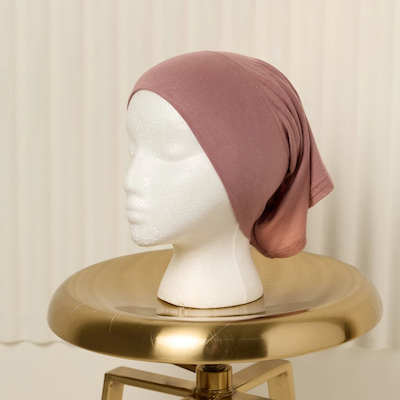
A covered scalp can feel warm, itchy or oily by the end of a long day. Choose layers that let air through and feel soft against the skin. A stretchy under cap can hold hair in place without the need for a tight bun, and lighter fabrics can feel more comfortable over many hours.
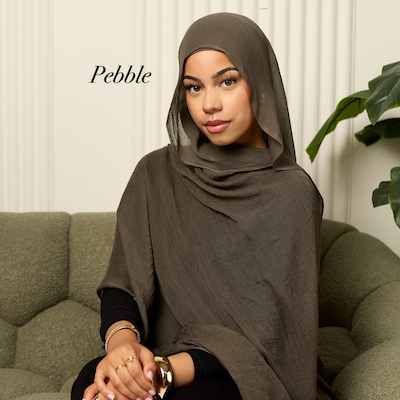
It helps to know exactly what you are buying. Alkareem’s breathable hijabs are listed with the fabric of each scarf, from jersey to cotton silk, and the brand describes its cotton silk hijab as “lightweight and breathable”. Whatever you choose, give your scalp time uncovered at home whenever you can.
Loosen the Grip: Ties, Pins and Alternatives
Small changes to how you style your hair underneath can take the pressure off:
Go lower and looser. A soft, low bun or loose plait puts less strain on the hairline than a high, tight ponytail.
Move the pressure point. Gather your hair in a slightly different place from day to day.
Swap tight bands for soft ties, and avoid elastics with metal joins that catch.
Pin the fabric, not the hair. Pins pushed through hair pull on it every time you move.

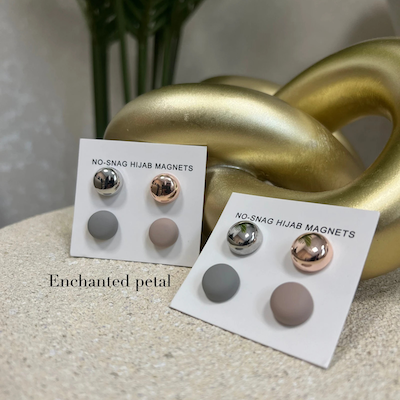
Try pin-free fastenings. Alkareem London says its hijab magnets hold the scarf “without pins or clips”.
Washing and Drying Before You Wrap
Wrapping damp hair under a scarf traps moisture against the scalp for hours. Let hair dry fully before covering it, and wash hijabs and under caps regularly, as they collect oil and product. Keep the rest of your routine gentle: a mild shampoo, conditioner on the lengths and a wide-toothed comb for detangling.
When to See a GP
Some hair loss is normal. The NHS notes that we can lose between 50 and 100 hairs a day, often without noticing. But if you see thinning patches, a receding hairline or soreness, do not wait it out. The NHS advises seeing a GP if you are worried about your hair loss, and says a GP may be able to tell what is causing it simply by looking at your hair.
The hijab and healthy hair are not at odds. A looser grip, breathable layers and a little routine go a long way.
Daisy Sparks