
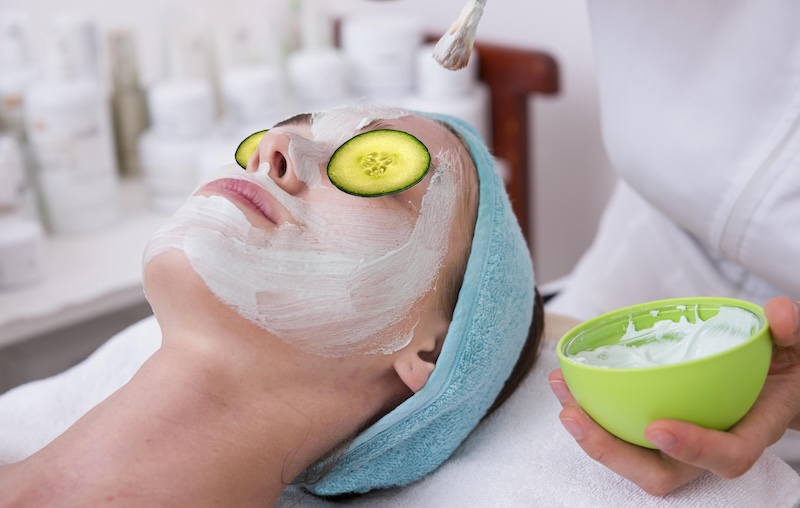
Do Korean Collagen Face Masks Really Work? What They Can and Can’t Do
There’s something appealing about a face mask that promises plumper, firmer-looking skin by the time you peel it off. Korean beauty has made collagen masks particularly popular, from translucent hydrogel sheets to overnight treatments that form a glossy layer across the face.
But does a Korean collagen face mask actually work? These products can help hydrate the skin, leaving it looking smoother and temporarily plumper. While they don’t replace the collagen responsible for maintaining the skin’s deeper structure, they can still offer worthwhile skincare benefits.
What Does a Collagen Face Mask Actually Do?
Collagen is a structural protein that helps give skin its strength and firmness. In a face mask, however, it serves a different purpose from the collagen naturally present beneath the skin’s surface.
Applied topically, collagen can help retain moisture and form a film that leaves skin feeling softer. Many masks also contain ingredients such as glycerin and hyaluronic acid, which contribute to hydration. The mask itself helps keep these ingredients in contact with the skin while you wear it.
Research supports the benefits of this approach. A 2024 clinical study published in the Journal of Cosmetic Dermatology examined a sheet mask made predominantly from native bovine collagen. Researchers found improvements in skin hydration and measures of fine wrinkles around the eyes.
These are encouraging results for anyone hoping to give dry, tired-looking skin a smoother, fresher appearance.
Can Collagen Face Masks Boost Your Skin’s Own Collagen?
The collagen that provides much of the skin’s structural support sits within the dermis, beneath the outermost layers. Full-sized collagen molecules are generally too large to penetrate deeply enough to become part of that framework.
Some skincare products use hydrolysed collagen, which has been broken down into smaller fragments. These can offer useful moisturising properties, although applying them isn’t the same as replacing the collagen fibres your skin loses with age.
A 2024 review of collagen in cosmetics examined its use in topical skincare alongside other cosmetic applications.
For face masks, the benefit is surface hydration. Moisturised skin can look smoother, with dehydration lines appearing less obvious. That’s valuable even without rebuilding deeper collagen.
What Results Can You Expect from a Korean Collagen Mask?
The most noticeable improvements are likely to involve hydration and the appearance of the skin’s surface.
- Temporarily plumper-looking skin: Additional hydration can make fine dehydration lines appear less pronounced.
- A softer, smoother texture: Moisturising ingredients can improve how dry or rough areas feel.
- A fresher-looking complexion: Well-hydrated skin may appear less tired and more luminous.
- Greater comfort: A suitable moisturising formula may help skin that feels dry or tight.
Some of these effects can be noticeable shortly after removing the mask, particularly if your skin was dehydrated beforehand.
That makes collagen masks appealing before a special occasion or whenever your complexion feels dry. The results are temporary, but still enjoyable.
Sheet, Hydrogel or Overnight: Which Collagen Mask Is Best?
Korean skincare offers several mask formats, each providing a slightly different experience.
The Medicube collection, for example, includes conventional collagen sheet masks and overnight wrapping treatments. Knowing how the formats differ can help you choose something that fits your routine.
- Sheet masks: Fabric sheets saturated with serum. They’re convenient for a quick moisturising treatment, particularly before an occasion.
- Hydrogel masks: Flexible, gel-like masks that sit closely against the skin. They often feel cooling and are popular for their hydrating finish.
- Overnight wrapping masks: Film-forming formulas specifically designed to remain on the skin for an extended period.
None is automatically superior. A sheet mask may suit a quick evening reset, while an overnight treatment can appeal to anyone who prefers applying skincare before bed.
How Long Should You Leave a Collagen Face Mask On?
Application time depends on the format and the product’s instructions.
Conventional sheet masks are often designed to remain on the skin for around 10–20 minutes. Wearing one longer doesn’t necessarily improve its moisturising effects.
After removing a sheet mask, gently pat in any remaining serum if the instructions allow. Follow with moisturiser if your skin needs it, rather than immediately layering another treatment.
The American Academy of Dermatology recommends following the instructions for individual facial masks to get the benefits while avoiding unnecessary irritation.

Overnight wrapping masks work differently because they’re formulated for extended wear.
The Medicube Collagen Night Wrapping Mask, for example, contains collagen extract alongside moisturising ingredients including glycerin, sodium hyaluronate and ceramide NP. It’s applied as the final step of an evening routine, left to dry for around 15 minutes and removed the following morning by peeling or rinsing with lukewarm water.
Use each mask as directed rather than assuming longer wear means better results.
What Else Should You Look for in a Collagen Face Mask?
Collagen may be the headline ingredient, but other ingredients are worth recognising:
- Glycerin: A humectant that attracts water and helps maintain hydration.
- Hyaluronic acid: Often included to help the skin retain water.
- Ceramides: Lipids naturally present in the skin barrier, used in formulas that support moisture retention.
- Panthenol: A common ingredient in moisturising and soothing skincare.
Together, these ingredients can help explain why two collagen masks feel very different on the skin.
If your skin reacts easily, check for familiar irritants such as fragrance, and test a new product on a small area first. Collagen can be animal- or marine-derived, so check its source if you have allergies or other preferences.
Are Korean Collagen Face Masks Worth Buying?
They certainly can be, particularly if you’d like an extra boost of hydration.
Research into collagen-based masks supports their potential to improve hydration and the appearance of fine lines. For softer-feeling, smoother-looking skin, they can be a worthwhile occasional treatment.
Choose a format you’ll enjoy, look at the full formula and keep expectations realistic. A mask doesn’t need to rebuild collagen to earn a place in your routine.
Poppy Watt