
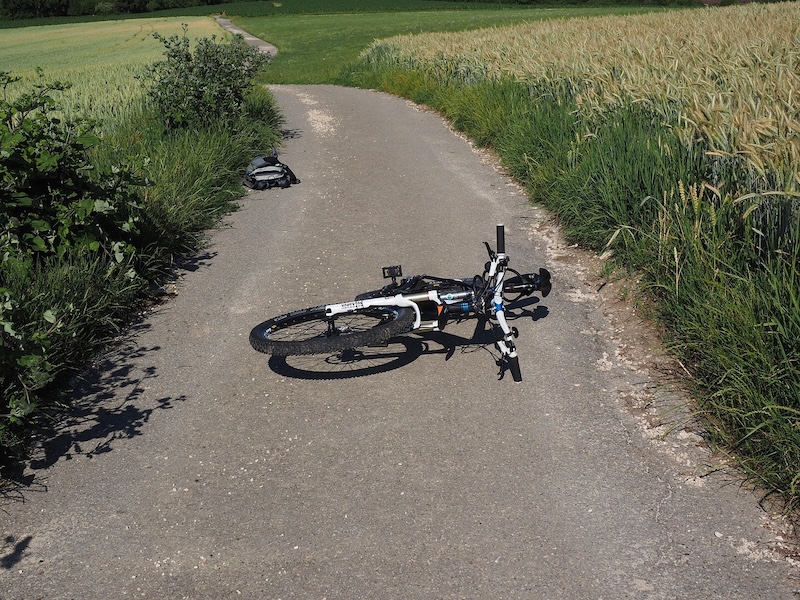
Why Some Road Accidents Leave Lasting Effects – A road accident can happen in seconds, yet its impact can last a lifetime. While some people walk away with only minor injuries, others face long-term physical, emotional, and psychological consequences. The reasons for this difference are complicated, involving not only the nature of the accident itself but also how each person’s body and mind respond to trauma.
The Physical Aftermath
The human body is resilient, but it is not invincible. Even low-speed collisions can cause significant injuries, particularly when the force of impact affects the neck, spine, or head. Whiplash, fractures, and soft tissue injuries are among the most common results of road accidents. In more serious cases, victims may suffer spinal cord damage, traumatic brain injuries, or internal bleeding, all of which can lead to permanent disability or chronic pain.
Recovery depends on many factors, including the severity of the injuries, access to early medical treatment, and the individual’s overall health. Some people experience delayed symptoms, meaning damage may go unnoticed for days or even weeks after the crash. When pain, mobility issues, or neurological symptoms persist, they can drastically alter how a person lives and works, often requiring long-term rehabilitation and medical support.
The Hidden Impact of Psychological Trauma
The lasting effects of a road accident are not always visible. Many people who experience collisions develop psychological symptoms such as anxiety, panic attacks, or flashbacks. Post-Traumatic Stress Disorder (PTSD) is common among those who have been in severe crashes, especially if they believed their life was in danger or witnessed serious injury or death.
Emotional recovery often takes longer than physical healing. Nightmares, hypervigilance, and avoidance behaviours can make it difficult to return to driving or even being a passenger. These symptoms can affect relationships, work, and overall quality of life. Early psychological support, such as counselling or cognitive behavioural therapy, can be crucial in preventing trauma from becoming entrenched.
When Recovery Doesn’t Go as Planned
Most people expect that time and treatment will bring improvement. However, for some, recovery stalls. Conditions like chronic pain syndrome, nerve damage, and mobility limitations can persist long after the accident. These ongoing symptoms can lead to frustration, loss of independence, and financial strain.
Physical injuries may also trigger secondary health problems. Limited movement can lead to muscle weakness, weight gain, or poor circulation, while long-term use of medication may bring side effects that compound existing issues. Similarly, emotional distress can worsen physical pain, creating a cycle that is difficult to break without professional help.
Financial and Practical Consequences
Beyond the physical and emotional toll, road accidents can create lasting financial hardship. Lost income, medical expenses, and the cost of ongoing care or adaptations to daily life can quickly add up. For those unable to return to work, the stress of financial instability can intensify emotional struggles and delay recovery further.
Seeking professional advice early can make a difference. Support networks, healthcare professionals, and Car Crash Solicitors can help victims understand their rights, secure compensation for losses, and access the treatment they need. While compensation cannot undo what has happened, it can provide essential support during recovery and help ease the burden of long-term challenges.

Finding a Way Forward
Life after a road accident often looks different, but it does not have to be defined by loss. With the right medical care, emotional support, and financial stability, many people are able to rebuild their lives and regain confidence. Rehabilitation programmes, therapy, and gradual exposure to driving again can all play a part in restoring normality.
The key is recognising that recovery takes time. Every person heals at their own pace, and the process often involves setbacks as well as progress. Being patient, seeking professional help, and leaning on available support systems can make the journey less overwhelming.
While some road accidents leave lasting effects, they do not have to define the rest of a person’s life. With understanding, perseverance, and access to the right help, it is possible to find strength and stability again after even the most life-altering events.
Poppy Watt