
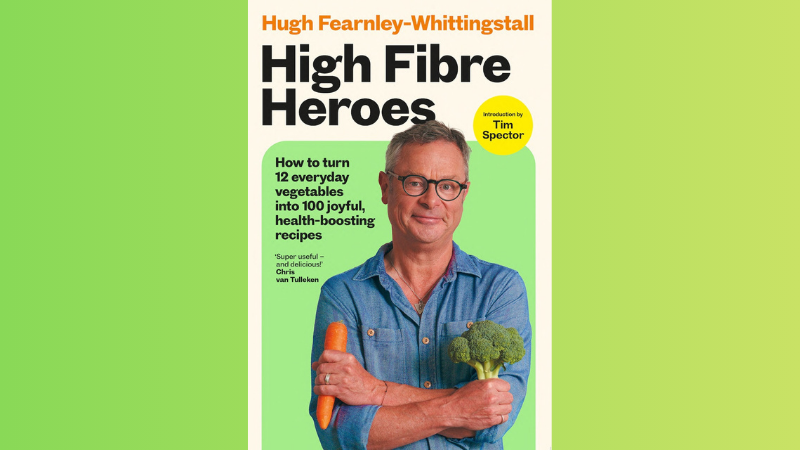
High Fibre Heroes – This newly published cookbook by Hugh Fearnley-Whittingstall shows us how to turn 12 everyday vegetables into 100 joyful, health-boosting recipes. As a society, our diets are now seriously lacking in fibre, a problem which goes right to the heart of the health crisis, not just in the UK but all over the western world. This health crisis, marked by soaring rates of obesity and illnesses like diabetes, cancer and heart disease, can very reasonably, and not unhelpfully, be described as a fibre crisis. And perhaps unsurprisingly, the best way to address the fibre crisis is with a fibre solution. The moment we begin to increase the fibre in our diets, we also begin to improve our health outcomes across a whole range of diet-related illnesses.
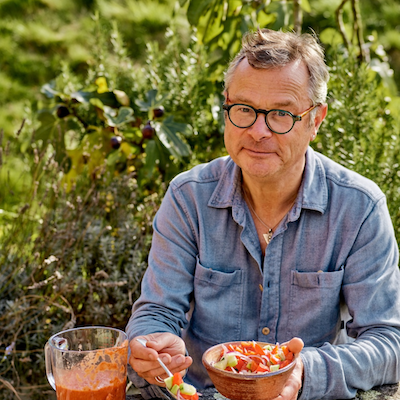
High Fibre Heroes starts with a fascinating introduction by gut-health professor Tim Spector, who explains the science behind the fibre-revolution, and how eating more plants can only be of benefit to your ‘good’ microbes and your long-term health. So because of this science Hugh is on a mission to help us eat more fibre and he wants to do that in the simplest, most effective and most delicious way possible. In High Fibre Heroes, the king of veg celebrates 12 of the most inexpensive, recognisable, versatile and readily available plant superstars in the UK, that will help you boost your fibre count and hit your 30 plants a week in no time at all. Many of us aren’t getting enough fibre in our diets, but Hugh shows us how simple – and delicious – it can be with 100 easy recipes (beautifully photographed) all celebrating these 12 veg heroes: Peas – Carrots – Cabbage – Tinned beans – Cauliflower – Leeks – Mushrooms – Tomatoes – Lentils – Spinach – Sweetcorn – Broccoli
Getting the most out of these 12 plant superstars doesn’t need to be complicated – many of the recipes use only one pan and can be on the table within half an hour. In this book, Hugh gets the very best out of these often-underestimated veggies, this is food that’s good for you and for the planet, too.
High Fibre Heroes is published by Bloomsbury at £26 for a hardback.
Here are a couple of recipes to whet your appetite:
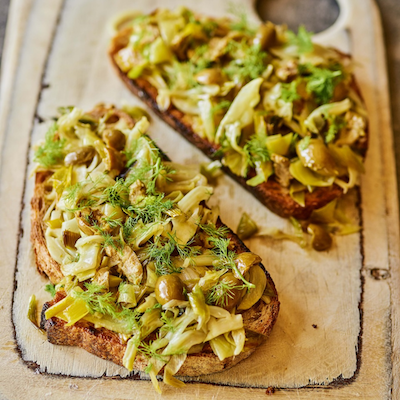
Leek and Fennel Bruschetta
“The alchemy that occurs as leek and fennel slowly cook down together is very special, making this a maximum bang-for-your-buck quick snack meal.” Plant count 8: Fibre count 12g: Serves 2 as a light meal, 4 as a snack or part of a sharing spread: Ready in 30 minutes
1 large or 2 small leeks (about 300g trimmed weight)
1 large or 2 small fennel bulbs
2 tbsp olive oil
1 garlic clove, chopped (plus another, halved, to rub the toast if you like)
Finely grated zest of 1 lemon and a good squeeze of juice
2 large or 4 small slices of wholegrain sourdough
Sea salt and black pepper
To finish
Extra virgin olive oil, to trickle
1 tbsp pumpkin seeds
12 olives, pitted and roughly chopped (optional)
A handful of parsley, chopped (optional)
Clean the leek(s) and slice thinly into roughly 5mm thick slices. Trim the fennel bulb(s), saving any feathery fronds, then quarter and slice each quarter thinly.
Heat the olive oil in a large frying pan over a medium heat. Add the leek and fennel slices and season well with salt and pepper. When everything is sizzling nicely, turn down the heat a little and sweat gently for 10–15 minutes, stirring regularly, until the veg is very tender and the leek has lost any squeakiness. Add the chopped garlic and lemon zest and cook for a few more minutes.
Meanwhile, toast the sourdough slices, then rub with the cut garlic clove, if using, and trickle with a little extra virgin olive oil.
Take the frying pan off the heat and add a good squeeze of lemon juice. Taste and add more salt and/or pepper if needed.
Heap the leek and fennel mixture onto the toasted sourdough. Trickle over a little more extra virgin oil and scatter with the pumpkin seeds, olives and/or chopped parsley, if using, or all three chopped together and mixed with a little olive oil – as a kind of tapenade. Finish with any saved fennel fronds, torn into little sprigs.
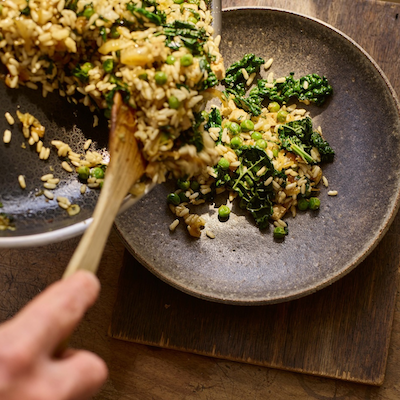
Fried Rice with Peas, Soy and Sesame
“This simple main course is very customisable. The key things are the onion and the soy/sesame/bouillon mix, which brings lots of savoury flavour. You can then use pretty much any veg you like (see below). If your brown rice is a bit clumpy in places, break it up with a fork before adding it to the pan.”
Plant count 8: Fibre count 7g: Serves 2: Ready in 25 minutes
2 tbsp rapeseed oil
1 medium onion, quartered and sliced
About 75g extra-firm tofu
1 tbsp soy sauce or tamari, plus a little more to serve
1 tbsp toasted sesame oil
1 tsp vegetable bouillon powder (or ¼ veg stock cube, crumbled)
1 small garlic clove, grated
1–2cm piece of fresh ginger, grated (optional)
100g frozen peas
A couple of handfuls of roughly shredded de-stalked kale, cabbage greens, spinach or pak choi (or a mix)
300g cooked brown rice
To finish
2–3 tsp sesame seeds
A handful of coriander and/or mint leaves, chopped (optional)
Heat the rapeseed oil in a large, wide frying pan over a medium heat. Add the onion and fry for about 10 minutes until softened, stirring from time to time.
Meanwhile, cut the tofu into roughly 1cm cubes. Whisk the soy/tamari, sesame oil and bouillon powder (or stock cube) together in a small bowl.
Add the grated garlic to the onion with the ginger, if using, and cook for another minute, stirring often.
Add the tofu cubes to the pan and cook for another few minutes, stirring frequently.
Add the frozen peas and cook for 2–3 minutes until defrosted, then add the shredded greens and cook for a few minutes more until they are starting to wilt.
Add the soy, sesame and bouillon mix, stir and cook until most of the liquid has evaporated (less than a minute).
Add the cooked rice, stir it through, then cover the pan and cook for 3–4 minutes, stirring now and then, to get the heat into the rice and make sure everything is piping hot.
Serve straight away, with a scattering of sesame seeds and herbs, if using. Add a little more soy sauce/tamari at the table if you like.
“A handful of mushrooms, chopped fairly small, is a lovely addition. Toss them into the softened onion and cook for a few minutes before adding the garlic and ginger.
Instead of kale or greens, use Tenderstem or purple sprouting broccoli, or green beans – all of these need a little more cooking than leafy greens, so chop into 2cm lengths, slicing broccoli stems lengthways if thick, and add to the softened onion. Cook for a couple of minutes before adding the garlic and ginger.”
The Seasoned Gastronome