
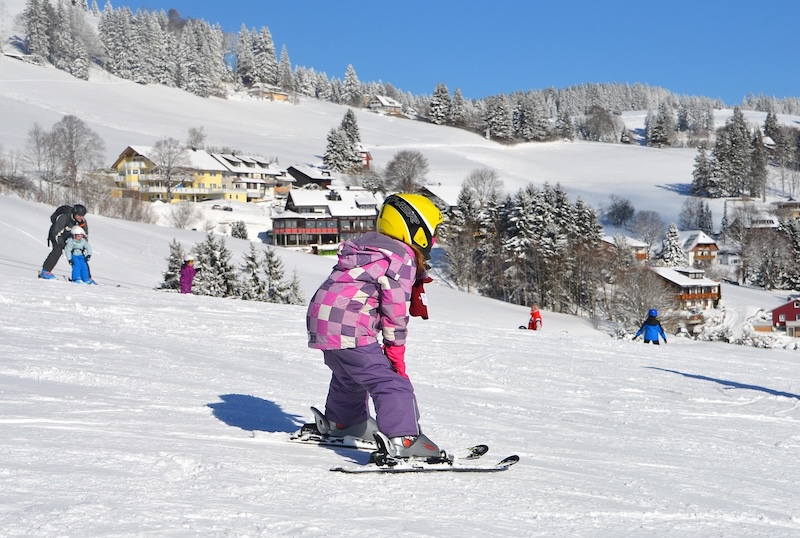
The first family ski holiday is really a logistics holiday – The brochure version begins with sparkling snow and coordinated knitwear. However, the family version begins weeks earlier, usually with one person holding a passport spreadsheet and wondering whether children need different socks for mountains. A first ski trip can be magical, but it’s also a temporary relocation involving unfamiliar clothes, equipment, lessons and several forms of transport. And it’s on you to decide which chaos is worth avoiding.
Before the snow comes the mental load
The planning isn’t that dramatic; it’s simply a browser full of dozens of tabs. Instead of one adult remembering everything, divide the holiday into complete areas of ownership. Somebody sorts travel documents and check-in; somebody else handles lessons, hire and lift passes; older children can pack from a simple list and remain responsible for their own entertainment bag. “Helping” still leaves one person as project manager, while ownership includes noticing what needs doing and finishing it. When picking out family ski holidays, look for the unglamorous details that reduce daily thought: a manageable transfer, accommodation near the lesson meeting point, somewhere to dry kit and food that doesn’t require a nightly family summit. Keep confirmations in one shared phone folder, talk children through what ski school will feel like, and put each person’s gloves, goggles and neck warmer into a labelled bag.
Airport to piste: the world’s least elegant relay race
At home, four bags by the door look manageable. At the airport, they become a small travelling exhibition, joined by coats, snack wrappers and a child urgently needing the toilet just as boarding begins.
Pack one reachable travel bag with documents, medication, chargers, wipes, snacks and a change of clothes; burying the useful items underneath six jumpers is a mistake you only need to make once. Check ski-baggage arrangements before travel if taking equipment, and make the transfer plan specific: where you meet, how luggage is carried and whether child seats must be requested.
On arrival, resist the heroic urge to rush straight to the slopes. Collect hire equipment with enough time for proper fitting, ask for help if boots pinch or cause numbness, and learn where the lesson meeting point is. A five-minute walk on a summer map can feel considerably longer in ski boots while carrying two children’s skis and one abandoned helmet. The Ski Club of Great Britain’s safety guidance is useful preparation for unfamiliar mountain routines, including piste maps and the rules people follow on the slopes. Back at the accommodation, create a departure station by the door and dry everything overnight. Morning-you will be deeply grateful to evening-you.
The first day won’t resemble the photograph

You may picture a cheerful family gliding towards lunch together – well, that probably won’t be the case. Instead, let lessons be the main event rather than the opening act before a packed afternoon. Feed everyone beforehand, carry water and an easy snack, and agree where adults will be at collection time. The FIS rules for skiers and snowboarders emphasise staying in control and adapting to ability, terrain, snow, weather and traffic; that is useful permission to progress slowly.
Keep the rest of the day flexible because cold hands, hunger and tired legs can turn minor disappointments into constitutional crises. Success might be one careful turn, a calm drop-off or simply returning with the same number of gloves. It also helps to notice how polished travel images shape expectations; Women Talking has explored how social media is changing the way we travel – but your real holiday doesn’t need to perform for anybody. A pool, a snowman, chips and an early night may be exactly right.
Poppy Watt