
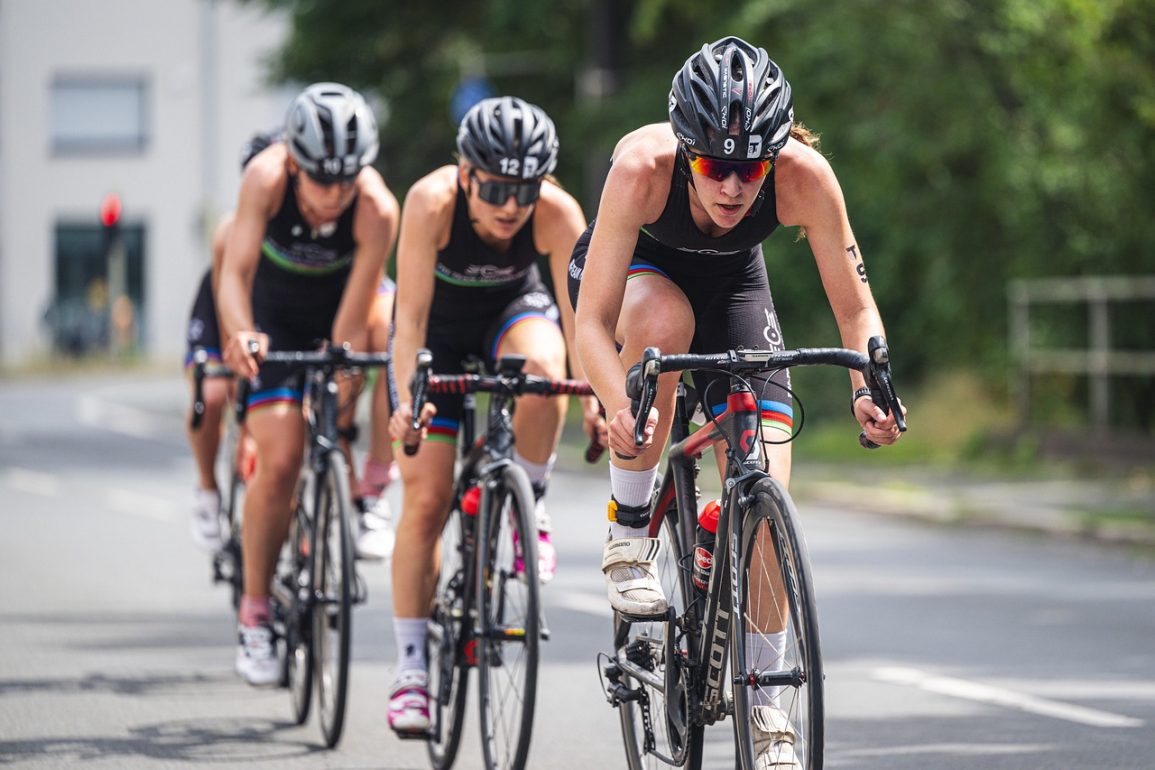
The Role of Electrolytes in Athletic Performance and Recovery – Most people know they should drink water when they exercise. Fewer understand why that’s only half the picture. Water keeps the body hydrated, yes, but it’s the electrolytes dissolved within that make the body function. Without the right balance of these charged minerals, muscles stop working properly, energy plummets, and recovery slows down in ways that no amount of rest alone can fix.
For anyone training seriously, or even just pushing themselves a few times a week, understanding electrolytes is crucial to maintaining the body.
So, What Are Electrolytes?
Electrolytes are minerals that carry an electrical charge once dissolved in fluid. The main ones are sodium, potassium, magnesium, calcium, and chloride.
Together, they govern almost every physical process that matters during exercise.
What Happens When Levels Drop
Sweat isn’t just water. It’s a cocktail of sodium, chloride, potassium, and smaller amounts of other minerals. The longer and harder the effort, the more of these minerals are lost. When they’re not replaced, the body starts to malfunction.
Early signs include cramps, fatigue, and reduced coordination. Carry on without replenishing, and the effects compound: nausea, confusion, and a drop in power output that no amount of motivation can override. In serious cases, electrolyte depletion can tip into hyponatraemia, where sodium levels fall low enough to become medically dangerous.
This is why refuelling with electrolytes mid-session matters just as much as pre and post-workout nutrition.
The Case for Sports Hydration Tablets
Plain water rehydrates but doesn’t replenish. After around 60 minutes of moderate to intense exercise, the body needs electrolytes back in the system, not just fluid. Sports hydration tablets offer a straightforward way to do that without the sugar load of most commercial sports drinks.
A high-quality tablet dissolved in water delivers a concentrated hit of sodium, potassium, and magnesium in a form the body readily absorbs. They’re easy to carry, don’t require measuring powders or mixing anything complicated, and work equally well for endurance athletes, gym-goers, and anyone doing physical work in the heat.
The market for electrolytes has matured. There are now options formulated specifically for active athletes, for those who train fasted, and for those sensitive to caffeine or artificial sweeteners. Reading the label matters more than picking the most visible brand.
How Different Athletes Lose Electrolytes Differently
Sweat rate varies considerably between individuals. Some athletes are “salty sweaters,” losing a higher concentration of sodium per litre of sweat than the average person. These people are far more susceptible to cramping and fatigue during prolonged activity and typically need to be more deliberate about sodium intake.
Hot and humid conditions accelerate losses for everyone. Altitude adds another variable, as does caffeine intake (which has a mild diuretic effect and can increase sodium excretion). Calculating a single formula that works for every athlete isn’t possible, but understanding the pattern of your own losses is.
Tracking how you feel at different stages of effort, whether cramps appear, how quickly fatigue sets in, and how long recovery takes, gives useful data that allows for more precise supplementation over time.

Timing Matters More Than People Realise
Pre-loading electrolytes before a long session, particularly sodium, supports starting hydration and delays the point at which depletion becomes a problem. During exercise lasting more than an hour, topping up every 30 to 45 minutes keeps levels stable.
Post-exercise, the priority is sodium and potassium first, magnesium second. Some evidence suggests that taking magnesium in the evening, rather than immediately after a workout, may improve sleep quality and support overnight recovery.
The mistake most people make is treating hydration as something to manage only when they feel thirsty. By that point, electrolyte levels are already in deficit.
Building Your Routine
The best electrolyte strategy is one that becomes automatic: keeping tablets in a gym bag, setting a reminder to hydrate before an early morning session, and choosing a post-training meal that includes potassium-rich foods like bananas, sweet potatoes, and leafy greens.
Electrolytes don’t replace a good training programme or a diet plan. But they fill a gap that most athletes leave open without realising it. Sort the fundamentals, and your performance will take care of itself.
Poppy Watt