
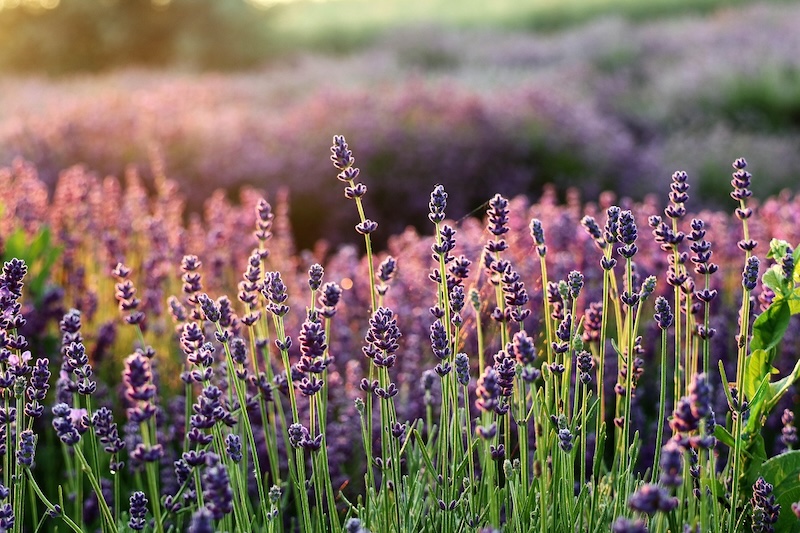
Try These Great Uses for Lavender at Home – Lavender is a stunning plant for many reasons. It’s not just a gorgeous, flowering perennial shrub that works perfectly on borders and in low hedge displays. It’s also super versatile, from aromatherapy to culinary uses. In fact, lavender plants are some of the most versatile additions to any garden.
This article offers tips on how to use the lavender bush to the best of your ability, ensuring it reaches its potential as a ‘zero-waste’ option for your home. There will likely be a few things you’ve never even considered!
Culinary vs. craft lavender
Consider the two primary forms of lavender and their uses.
- English Lavender (Lavandula angustifolia, e.g. ‘Hidcote’, ‘Munstead’). It has a sweet, refined scent and is suitable for cooking, teas, baking, and body care.
- French / Spanish Lavender (Lavandula stoechas / dentata). This form has a higher camphor content, making it better suited for crafts, dried sachets, and garden use.
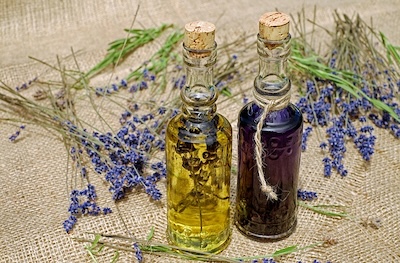
Home aromatherapy & craft uses of lavender plants
To get the most essential oil from lavender, harvest flower spikes just as the bottom buds start to open. This is ideal for utilising the relaxing effects of lavender’s scent.
- You can use lavender to make dried scent sachets. Cut the long stems and dried buds, tie them in bundles, dry them out, and pack them into cloth pouches.
- Mix dried lavender buds with baking soda and sprinkle over carpets and mattresses to deodorise them before vacuuming.
- You can also soak dried buds in boiling water, strain them through a fine cloth, and use the liquid for ironing or refreshing curtains.
Lavender for bath, body & wellness
The essential oils of these fragrant blooming shrubs can also be used for soothing, anti-inflammatory benefits in bathing and physical wellness.
- Fill a jar with dried lavender, submerge it in jojoba or sunflower oil, then leave on a sunny windowsill for about a month to infuse massage oil.
- Freshly crushed green lavender leaves can be rubbed directly onto bug bites or stings to reduce itching or pain.
- Epsom salts, coarse sea salt, and dried lavender with a touch of carrier oil to create a relaxing bath salt blend.
Culinary uses for English Lavender plants
English Lavender is known for its fragrant bushes, and its flowers can be used (sparingly) in food. However, remember that too much lavender can make food taste like soap.

- Infused syrups can be made if you simmer equal parts sugar and water with a tablespoon of fresh lavender buds, ideal for mixing in gin, lemonade or iced tea.
- Crush lavender buds with rosemary, thyme, and sea salt for herbaceous rubs to apply to lamb or chicken before roasting.
- You can keep layers of dried buds and granulated sugar in jars for weeks before using them in shortbread or cake batters.
Garden applications for lavender shrubs
You can buy lavender plants to support the garden they live in, along with all of the household applications listed above. Beyond simply being a pretty, pleasant-smelling plant that fits into all sorts of displays, it’s also great for deterring pests, attracting pollinators and being used as kindling! It can be a beauty both in life and in its drier forms.
Lavender truly is the gift that keeps giving for your outdoor space and your home. That’s why it should be considered a non-negotiable for every British home. From your baking escapades to some essential housekeeping, there’s not much lavender can’t do!
Lilly Light