
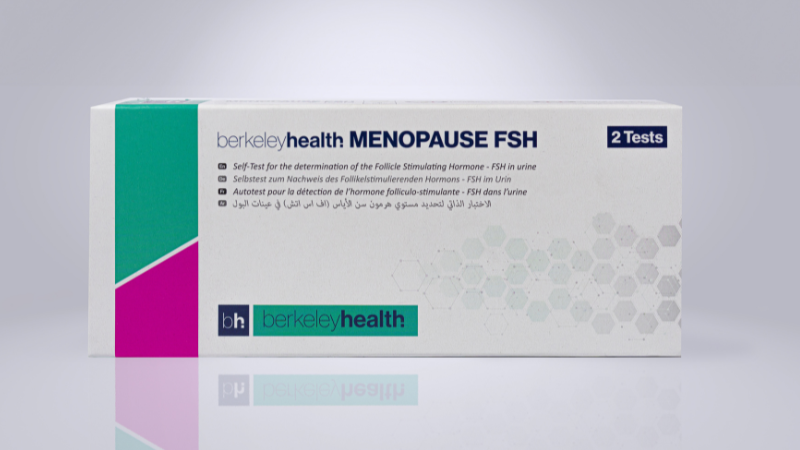
Taking Control of Your Health: The Rise of At-Home Testing – I’ve always believed that understanding your body is one of the most powerful forms of self-care. So, when I started seeing more at-home health tests appearing on the shelves, not tucked away online, but readily available during a weekly shop I was genuinely curious. Could these small, affordable kits really help us take better control of our wellbeing?
As it turns out, they just might.
A more realistic approach to health
We’re all familiar with the January surge of good intentions, the gym memberships, the green juices, the promise to “be healthier.” But as GP Dr Gill Jenkins wisely points out, health isn’t a short-term project, it’s a long-term relationship.
And for many of us, that relationship has become harder to maintain. Booking a GP appointment can feel like an uphill struggle, and it’s all too easy to dismiss those small niggles, the fatigue, the changes in our bodies, as something to deal with later.
That’s where at-home testing steps in.
Testing from the comfort of your own home
Brands like Berkeley Health are making it easier than ever to check in with your health without leaving the house. With tests available in stores such as Waitrose and online for under £10, they’re designed to be both accessible and unintimidating.
The range is surprisingly broad, covering everything from vitamin deficiencies to hormone levels, including:
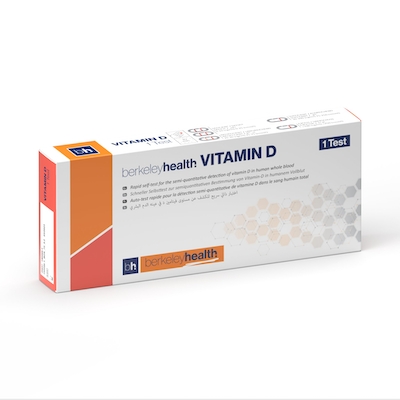
Berkeley Health Vitamin D: Vitamin D is essential for every cell in your body, with deficiency linked to rickets, osteoporosis, multiple sclerosis, cardiovascular diseases, pregnancy complications, diabetes, strokes, autoimmune diseases and infectious diseases. This test looks at vitamin D levels and is useful for people at risk from vitamin D deficiency, such as people who get tired and fatigued easily, have inadequate sun exposure, limited oral intake, or have impaired intestinal absorption.
Berkeley Health Iron FER: Iron deficiency is the most common cause of anaemia, a global health problem. Iron is crucial for transporting oxygen in the blood, for cell multiplication, and to build the structure of tissues and organs. This test checks for ferritin levels, which is an excellent indicator of the amount of iron available to the body.
Berkeley Health Thyroid TSH: An underactive thyroid (hypothyroidism) is a common condition where the thyroid gland in your neck does not make enough hormones, which control how fast or slow your body uses energy, affecting your metabolism, weight, mood and even body temperature. This also checks for thyroid-stimulating hormone (TSH) levels, which can then be brought to your GP for further testing
Berkeley Health Menopause FSH: For anyone who thinks they are experiencing menopause symptoms, this test measures Follicle Stimulating Hormone (FSH) levels. Although this test will not diagnose the start of menopause, it can potentially highlight changes which could point to the start of menopause. Visiting a GP at that point for an assessment can then offer confirmation.
Berkeley Health Urinary Tract Infection: UTIs are one of the most common infections in local primary care. This tests for leukocytes, looks at blood, nitrites or proteins in the urine, indicating if a possible infection may be in progress.

Berkeley Health Vaginal PH: This test indicates an abnormal level of vaginal mucus acidity and can help assess whether vaginal symptoms are caused by an infection that requires medical attention. For pregnant women, vaginal infections have the potential to cause harm, endangering both the mother and the foetus. So, symptoms and results obtained from this test should always be discussed with a doctor.
For someone like me, a strong advocate of being proactive rather than reactive, that accessibility feels like a real shift.
The positives: why home testing appeals
There’s something incredibly reassuring about being able to check in with your body on your own terms. The biggest advantages are clear:
Convenience
No waiting rooms, no rushed appointments, just simple tests you can do in your own time.
Privacy
For more personal concerns, particularly around menopause or vaginal health, discretion matters.
Early awareness
These tests can highlight potential issues before they escalate, giving you the confidence to seek professional advice sooner rather than later.
Empowerment
Knowledge really is power. Having a clearer picture of your health can help you make more informed decisions about your lifestyle and when to consult a GP.
But it’s not a replacement for medical care

As helpful as these kits are, they do come with limitations and it’s important to approach them with a balanced mindset.
They’re a starting point, not a diagnosis
A test might flag something unusual, but it can’t tell the full story. Follow-up with a healthcare professional is essential.
Room for misinterpretation
Without medical guidance, results can sometimes cause unnecessary worry, or worse, false reassurance.
Not always 100% accurate
While generally reliable, at-home tests don’t replace laboratory testing or clinical assessment.
Symptoms still matter
Even if a test result appears normal, ongoing symptoms should never be ignored.
A tool for modern self-care
GP Dr Janine David highlights something that really resonated with me, health concerns don’t neatly appear in January and disappear by February. They’re part of everyday life, and having tools to check in with ourselves throughout the year feels both practical and empowering.
For me, these tests aren’t about replacing doctors, far from it. They’re about bridging the gap. They offer a way to listen to your body more closely, to take those small concerns seriously, and to feel more in control of your own wellbeing.
And in a world where we’re often told to push through and carry on, that feels like a very welcome change.
The bottom line?
At-home health testing is not a magic solution, but it is a valuable addition to our self-care toolkit. Used wisely, it can help us tune into our bodies, act sooner, and have more informed conversations with our doctors.
And that, surely, is a step in the right direction.
Poppy Watt