
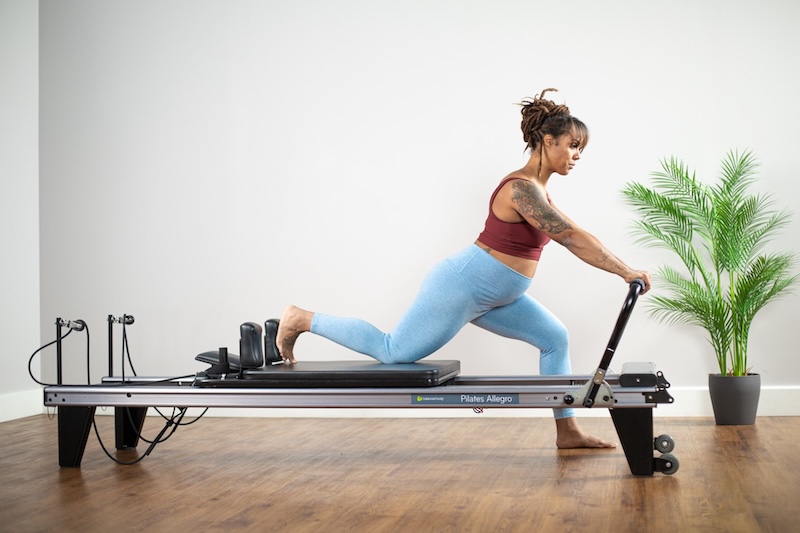
Can You Do Pilates When Pregnant? – Yes, Pilates can be a safe form of exercise during pregnancy, provided that the exercises are appropriately modified to match the stage of pregnancy, the individual’s health status, and specific needs. In many cases, training helps maintain physical fitness, improves posture, supports the muscles responsible for spinal and pelvic stability, and prepares the body for the changes that occur throughout pregnancy. However, not every exercise is suitable for every woman. The type of workout, the instructor’s experience, and prior consultation with a healthcare provider all play an important role.
More women are choosing to stay active throughout pregnancy. That is a positive trend. Regular movement supports overall well-being, improves daily comfort, and helps the body cope with the increasing demands caused by weight gain and changes in the body’s centre of gravity. For this reason, Pilates during pregnancy is increasingly recognised as a safe and effective way to maintain movement and body awareness.
Why is Pilates a popular choice during pregnancy?
Pregnancy brings significant biomechanical and hormonal changes that affect movement patterns and overall physical function. As the baby grows, posture changes, spinal loading increases, and the stabilising muscles of the core and pelvis are required to work harder. Pilates focuses on core stability, movement control, and body awareness, making it particularly well suited to these changing needs.
Another advantage of Pilates is its adaptability. The method does not rely on high-impact movements or maximum effort. Instead, it emphasises precision, controlled breathing, and efficient movement patterns. This allows expectant mothers to remain active comfortably, even when other forms of exercise become less practical.
What benefits can Pilates provide during pregnancy?
Regular Pilates sessions can support the body in several ways. They help improve postural alignment, strengthen muscles that support the spine, and maintain mobility as the body changes throughout pregnancy. Many women notice improved comfort in everyday activities, from walking and standing to lifting and carrying.
The benefits extend beyond physical conditioning. Controlled movement combined with mindful breathing can help reduce tension and promote a greater sense of confidence in the body. During a period of significant physical and emotional change, this connection between movement and well-being can be especially valuable.
Commonly reported benefits include:
- improved posture,
- support for the pelvic floor muscles,
- increased joint mobility,
- reduced feelings of back stiffness,
- enhanced core stability,
- improved breathing awareness,
- better preparation for childbirth,
- maintenance of regular physical activity.
The combination of these benefits explains why many women continue practicing Pilates throughout much of their pregnancy.
Is every type of Pilates suitable during pregnancy?
Not all exercises commonly used in traditional Pilates classes are appropriate during pregnancy. As the body changes, certain movements need to be modified, while others may need to be removed altogether. Exercises that were comfortable in early pregnancy may no longer be suitable later on.
This is why working with a qualified instructor who has experience in prenatal Pilates is so important. An experienced professional can adapt exercises to each stage of pregnancy and to the individual needs of the participant. A properly designed program should support the body rather than place unnecessary stress on it.
How does Pilates support the pelvic floor during pregnancy?
The pelvic floor muscles play a vital role throughout pregnancy and childbirth. They help support internal organs, contribute to trunk stability, and work closely with the diaphragm during breathing. As pregnancy progresses, these muscles are placed under increasing demand.
Pilates helps women develop awareness of these important structures and learn how to activate them effectively. This understanding often improves movement quality and prepares the body for labor. Many exercises focus on the relationship between breathing and deep stabilising muscles, which is a fundamental element of safe prenatal training. Learning how to coordinate breathing and pelvic floor activation can provide lasting benefits well beyond pregnancy.
Can Pilates help reduce back pain during pregnancy?
Back discomfort is one of the most common complaints during pregnancy. Changes in posture, increased joint laxity, and greater loading of the lumbar spine can make even simple daily activities uncomfortable. Appropriate Pilates exercises can help address many of these challenges.
By strengthening the muscles that support the spine, Pilates improves postural control and reduces unnecessary strain during standing, walking, and sitting. Regular movement also promotes mobility and circulation. As a result, many women experience a noticeable improvement in comfort after several weeks of consistent practice.
When should extra caution be taken during exercise?
Although Pilates is generally considered a safe form of movement, some situations require additional care. Every pregnancy is unique. In certain cases, healthcare providers may recommend modifying or temporarily avoiding exercise altogether.
Before beginning or continuing any exercise program, it is advisable to consult with the healthcare professional overseeing the pregnancy. Women with high-risk pregnancies, cervical complications, bleeding, or other medical concerns should follow individualised recommendations. Safety should always guide exercise decisions throughout pregnancy.
Is Reformer Pilates suitable during pregnancy?
Reformer Pilates can be an excellent option for many expectant mothers. The equipment allows resistance levels to be adjusted precisely, making it easier to tailor exercises to individual needs. Many movements can be performed with greater comfort and support than on a mat alone.

A significant advantage of the reformer is the ability to work in a variety of positions while minimising unnecessary stress on the spine. When guided appropriately, reformer-based training can improve mobility, stability, and movement control. However, it is important that sessions are led by an instructor experienced in prenatal exercise.
Before joining reformer classes during pregnancy, it is worth considering:
- the instructor’s experience with prenatal clients,
- the ability to modify exercises individually,
- the current stage of pregnancy,
- recommendations from healthcare providers,
- personal comfort during specific positions,
- the body’s response to exercise,
- an appropriate training intensity.
The effectiveness and safety of the program depend largely on how well it is adapted to the individual.
How can Pilates help prepare the body for childbirth?
Childbirth requires the coordinated work of many systems within the body. Strength, mobility, breathing control, and the ability to release tension when needed all play an important role. Pilates develops these qualities through controlled and mindful movement.
Particularly valuable is the focus on breathing. Women who practice regularly often gain a deeper understanding of how their bodies respond to physical effort and stress. This awareness can be beneficial during labor and throughout the postpartum recovery period.
When is Pilates during pregnancy a safe choice?
In most cases, the answer is straightforward. Pilates during pregnancy can be a safe and highly beneficial form of exercise when sessions are adapted to the individual’s needs and supervised by a qualified instructor. It supports posture, helps maintain physical function, improves body awareness, and prepares the body for the demands of childbirth.
Its greatest value extends beyond exercise itself. Pilates provides an opportunity to build trust in the body’s capabilities while navigating one of life’s most significant physical transformations. A well-designed Pilates program helps women move with confidence and maintain a strong connection with their bodies throughout pregnancy.
This post was created in collaboration with balanced-body.fi
Poppy Watt