
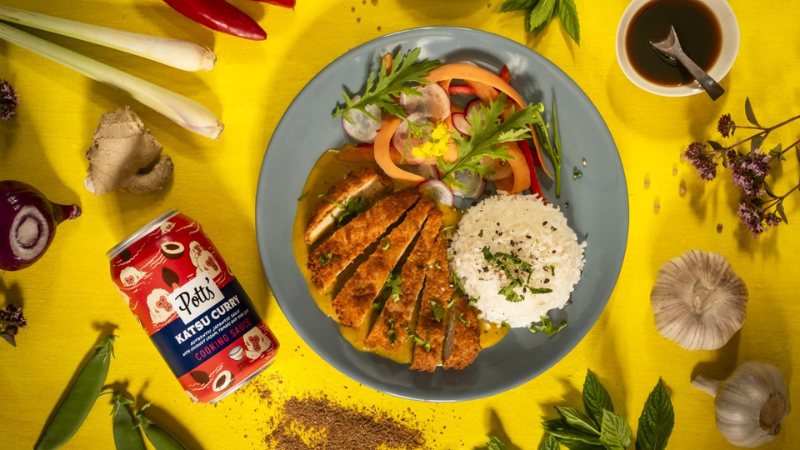
Why I’ve Fallen Back in Love with the Tin: Convenience, flavour and a quieter kind of sustainability.
Somewhere along the way, tins got a bit of an image problem. They felt old-fashioned. Functional. Something you reached for when you were short on time, not when you cared about flavour, wellness or the planet.
But lately, I’ve noticed something shifting — both in my own kitchen and on the shelves. Brands I genuinely admire are choosing the humble can on purpose. Not as a compromise, but as a statement. And honestly? I’m here for it.
The Quiet Joy of a Can
There’s something deeply comforting about a tin. It doesn’t shout. It waits patiently in the cupboard. It travels well, keeps things fresh, and doesn’t demand fridge space or fiddly storage.
In a world where we’re constantly juggling busy lives, decision fatigue and eco-guilt, tins feel… grounding. Reliable. Thought-through. And when they’re done well, they can be beautiful, bold and quietly revolutionary.
Two brands have really brought this home for me recently: Jamu and Potts’ — both proving that what’s inside the can matters just as much as the can itself.
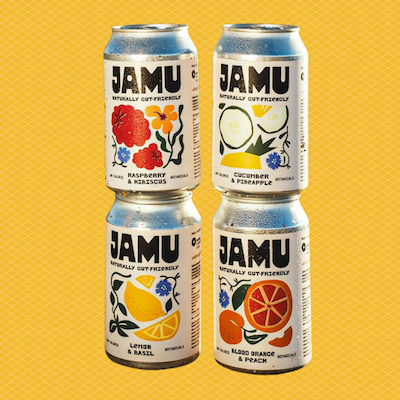
Jamu: Botanical Drinks That Bring the Wild Back In
Jamu’s sparkling botanical sodas come in a can, but they’re about anything but convenience culture. They exist to bring us back — back to nature, back to fibre, back to gut health, and back to thinking about our wider impact.
Their low-calorie, gut-friendly drinks are packed with natural prebiotics, making them feel like a small daily act of kindness to your body. They’re the kind of drink you reach for mid-afternoon when you want something refreshing that isn’t overly sweet, synthetic or performative.
What really stopped me in my tracks, though, is their pledge: every can helps rewild the UK ocean.
One percent of every can sold goes towards protecting and restoring British seagrass, one of the most overlooked ecosystems, yet one of the most vital for ocean and global health.
As a British brand based in the Southwest, Jamu partners with the Ocean Conservation Trust in Plymouth, keeping their impact close to home. It’s one of those moments where packaging, purpose and product feel genuinely aligned.
Why the can works here:
- Portable, chilled, no fuss
- Easier to recycle than many plastic bottles
- A single-serve format that feels intentional, not excessive
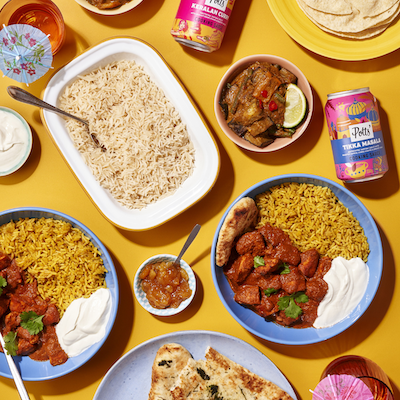
Potts’: When the Can Becomes the Innovation
If Jamu reminded me why tins feel comforting, Potts’ reminded me why they can be clever.
In 2019, Potts’ became the first brand in the world to put stock in a fully recyclable aluminium can. Not a pouch. Not plastic. A can, proving that sustainability and serious flavour don’t have to be at odds.
Why aluminium?
Because it’s infinitely recyclable, widely accepted in UK recycling systems, lightweight to transport, and carries a smaller carbon footprint than many traditional food packaging formats. In short: it makes sense.
But what really matters is what’s inside.
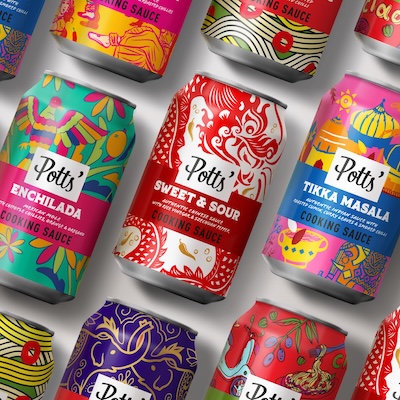
Potts’ sauces, stocks and gravies are made with proper ingredients, the kind you recognise and could happily list out loud. Their Keralan Curry sauce, for example, reads more like a home recipe than a factory formula: tomatoes, onions, coconut cream, garlic, ginger, spices. No nasties. No shortcuts.
The same goes for their Ragu alla Calabrese, their slow-cooked stocks, and their rich, glossy gravies, all designed to give you restaurant-quality depth without hours in the kitchen.
Why the can works here:

- Ready to pour, no waste
- Consistent flavour every time
- Long shelf life without relying on preservatives
- Fully recyclable, again and again
Since launching, Potts’ has sold millions of cans, saved tonnes of single-use plastic, and picked up major design and taste awards along the way. The can didn’t hold them back; it became their signature.
Why More Brands Are Choosing Tins (and Why That Matters)
What connects Jamu and Potts’ isn’t just packaging. It’s intention.
Tins offer:
- Practical convenience without feeling disposable
- Better recyclability than many mixed or flexible materials
- Protection of flavour without relying on chemical preservatives
- A return to slower, more thoughtful consumption
In a time when sustainability can feel overwhelming, the can feels like a quiet, doable win. No apps. No guilt. Just smart choices made easier.
A Reframed Classic
The tin isn’t having a comeback, it never really left. We just forgot to look at it properly.
When brands use it thoughtfully, fill it with integrity, and design it with the future in mind, the can becomes more than packaging. It becomes part of the story.
And right now, I’m very happy to make space for that story in my cupboards.
Poppy Watt